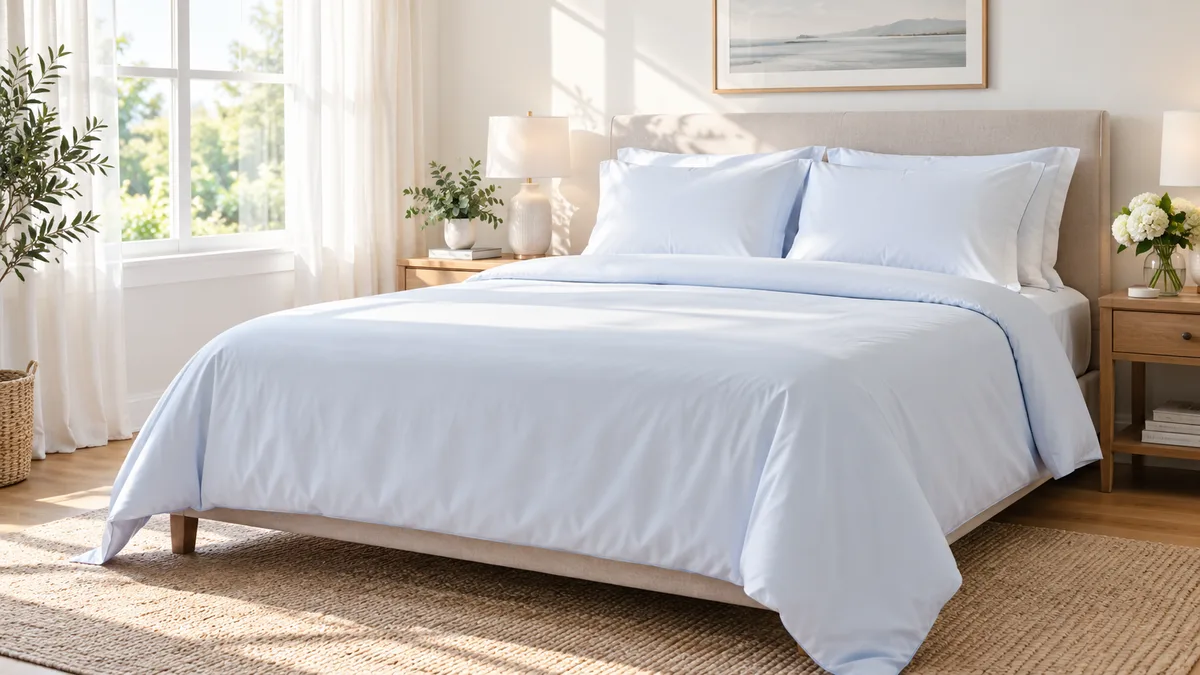
Cooling sheets are sheets made from materials that pull heat and moisture away from your body while you sleep. This guide compares the main types and explains what actually matters when choosing them — including one piece of common advice that turns out to be wrong. It is part of our wider guide to mattresses for seniors, which covers mattress types, toppers, adjustable bases and bed accessories.
Why sheet material affects how you sleep
The NIA notes that sleep patterns change with age and that sleeping environment plays a role in sleep quality. The CDC's sleep health guidance points to room temperature and comfort as factors people can often adjust. Sheets are a straightforward part of that adjustment.
Here in Tucson, the nights stay warm well into October. Roberto runs warm, I run somewhere in the middle, and we've gone through a lot of sheet options over the years. The difference between a dense sateen and a loose percale on a July night is not subtle. Once I understood what I was actually looking for — breathability and moisture-wicking, not softness — the choices became much clearer.
If you tend to sleep warm, wake up damp, or just find it hard to stay comfortable at night, the material your sheets are made from is worth changing before you look at anything else.
The thread count myth
Most people assume a higher thread count means better sheets. For softness and durability, that can be true. For cooling, it is often the opposite.
Thread count measures how many threads are woven into one square inch of fabric. A higher count means a denser weave, which traps more air and holds more heat. A 200 to 400 thread count in a percale weave is typically more breathable than a 600 or 800 thread count sateen.
Weave type and material matter more than thread count when your goal is sleeping cool.
The main types of cooling sheet compared
Every type on this page carries our Researched label: descriptions come from public product pages and manufacturer specifications. We did not test any of these products, and no brand is ranked.
| Material | Feel | Main strength | Best for |
|---|---|---|---|
| Cotton percale | Crisp, matte, cool to the touch | Breathability | Sleeping warm, any season |
| Linen | Slightly textured, relaxed | Maximum airflow | Very warm sleepers, hot climates |
| Bamboo (viscose) | Soft, smooth | Moisture-wicking | Night sweats, sensitive skin |
| Tencel / lyocell | Silky-soft, smooth | Temperature regulation + moisture | Both heat and moisture concerns |
Cotton percale sheets (Researched)
Percale is a weave, not a material — but most percale sheets are made from cotton. The one-over-one-under weave creates a tight, matte finish that is crisp to the touch and breathes well.
Good for: people who sleep warm and want a classic, easy-care sheet. Percale holds up well to frequent washing. Limits: the crisp feel is not for everyone; some people prefer the softer feel of sateen. Percale wrinkles easily. What to look at: 100% cotton with a thread count between 200 and 400. "Percale weave" should be stated on the label.
Linen sheets (Researched)
Linen is made from flax fibers and has a naturally open weave that allows maximum airflow. It is the most breathable sheet material available. It also gets softer with every wash.
Good for: people who run very warm, and anyone in a hot or humid climate. Linen is also naturally moisture-absorbent. Limits: linen has a textured, slightly rough feel when new that not everyone likes. It wrinkles significantly. It is usually the most expensive option. What to look at: weight in grams per square meter (a lighter weight linen is cooler; 140 to 175 g/m² is a good range for summer use).
Bamboo sheets — viscose from bamboo (Researched)
Most sheets marketed as "bamboo" are made from viscose (rayon) derived from bamboo. The FTC requires the label "viscose from bamboo" or "bamboo rayon" rather than simply "bamboo," since the fiber is processed from the plant. The resulting fabric is soft, smooth and good at wicking moisture.
Good for: people who wake up damp and want a soft, silky feel. Bamboo viscose is also gentle on sensitive or dry skin. Limits: not as breathable as percale or linen when it comes to pure airflow; the strength is moisture-wicking rather than heat release. Requires more careful washing than cotton. What to look at: "viscose from bamboo" on the label; wash instructions that suit your routine (some require cold water or delicate cycle).
Tencel / lyocell sheets (Researched)
Tencel is a brand name for lyocell, a fiber made from wood pulp (usually eucalyptus). It is smooth, moisture-wicking and generally stays cool because it pulls moisture away from the body quickly.
Good for: people who want both cooling and moisture management in one fabric, and those who find bamboo too warm but want more softness than percale offers. Limits: typically more expensive than cotton percale. Some people find the smooth feel too slippery. What to look at: "100% Tencel" or "100% lyocell" (blends with polyester reduce the cooling benefit).
What to compare before you buy
Four questions cover most of the decision:
- Is my main issue heat or moisture? Heat: percale or linen. Moisture: bamboo viscose or Tencel. Both: Tencel.
- What feel do I prefer? Crisp and cool: percale. Soft and smooth: bamboo or Tencel. Relaxed and textured: linen.
- How often do I wash my sheets? Cotton percale is the most forgiving to wash and dry. Linen and bamboo need more care.
- What is my budget? Cotton percale is usually the least expensive. Linen and Tencel tend to cost more but last well if cared for.
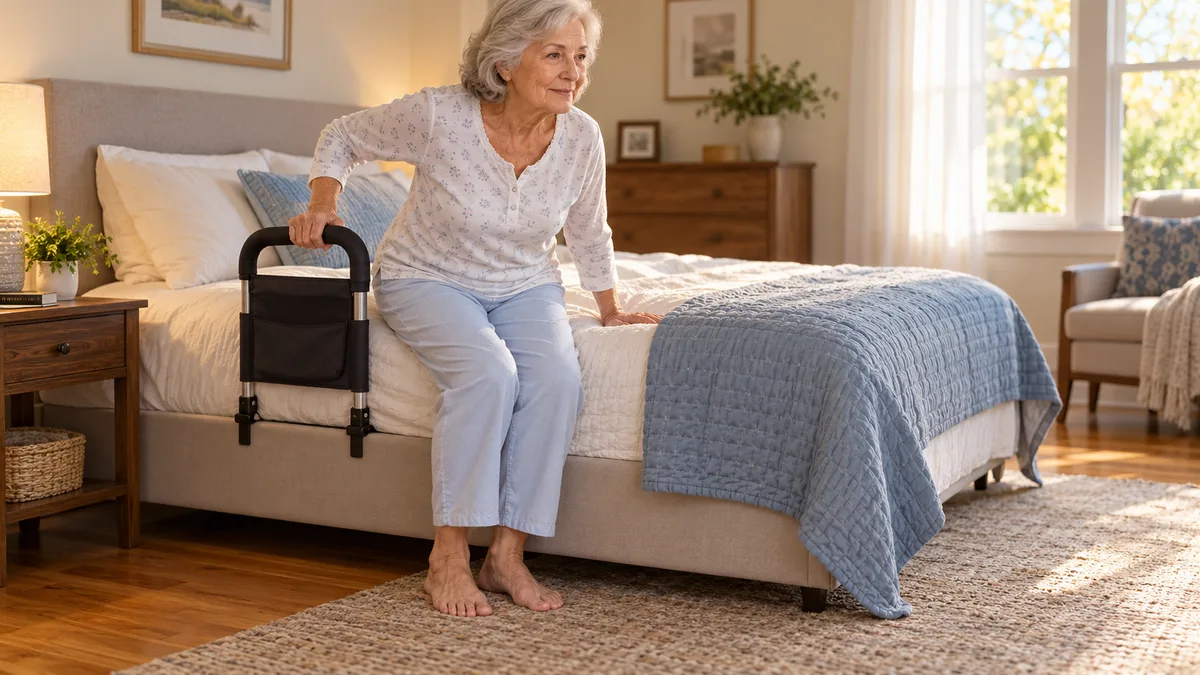
If your sleep comfort issue goes beyond sheets, our guide to bed rails for seniors covers aids that help with getting in and out of bed safely.
A note on care
Cooling sheets work best when they are clean. Body oils and detergent residue build up over time and reduce the fabric's ability to breathe or wick moisture. A few practical habits help:
- Wash sheets once a week, or at least every two weeks.
- Use less detergent than the package suggests — excess detergent leaves a film.
- Avoid fabric softeners with percale or bamboo sheets; they coat the fibers and reduce breathability.
- Dry on a low heat setting or line-dry when possible.
New linen and bamboo sheets often need two or three washes before they reach their full softness and best performance. Don't judge them on the first night.
Frequently Asked Questions
What are the best cooling sheets for seniors?
For most people who sleep warm, cotton percale or linen sheets are the most reliably cool options. Bamboo (viscose from bamboo) and Tencel work well for people who also wake up damp, since both wick moisture. The best choice depends on whether your main concern is temperature, moisture or both.
Do cooling sheets really work for night sweats?
Moisture-wicking materials like bamboo viscose and Tencel can help move perspiration away from the body, which may help you feel more comfortable. They don't prevent night sweats, but they can reduce how disruptive waking up damp feels. If night sweats are frequent or severe, mention them to your doctor.
What thread count is best for cooling sheets?
Lower is often cooler. A 200 to 400 thread count in a percale weave tends to be more breathable than a 600 or 800 thread count sateen. Higher thread counts mean more threads per square inch, which creates a denser weave that traps more heat. For cooling, weave type and material matter more than thread count.
What is the difference between percale and sateen sheets?
Percale uses a one-over, one-under weave that creates a crisp, matte finish and a breathable surface. Sateen uses a four-over, one-under weave that creates a silky, slightly shiny finish and a denser, warmer surface. For sleeping cool, percale is the better choice.
One thing to try this week
Check your current sheets: are they percale or sateen? The label usually says, or you can tell by feel — sateen has a slight sheen, percale looks matte. If you're sleeping warm and your sheets are sateen with a thread count over 400, that is a good place to start. For more on creating a comfortable sleep environment, see our guide to mattresses for seniors.
Sources
- National Institute on Aging, A Good Night's Sleep: nia.nih.gov/health/good-nights-sleep
- CDC, Sleep and Sleep Disorders: cdc.gov/sleep